
















how to19.11.23
How to recognize a quality fabric
A guide for brands and designers


A guide for brands and designers
In the B2B sector, visual and tactile assessment of a fabric is only the first step. Composition, construction, weight, stretch, dimensional stability and durability all contribute to determining how a fabric performs in use and over time. For anyone developing a collection, understanding these parameters means selecting materials according to their intended application and assess their characteristics and performance before they are used in production.
INTENDED USE AS AN ASSESSMENT CRITERION
When assessing fabric quality in a B2B context, no single definition fits the bill: what matters is whether a fabric features the right characteristics for a specific application.
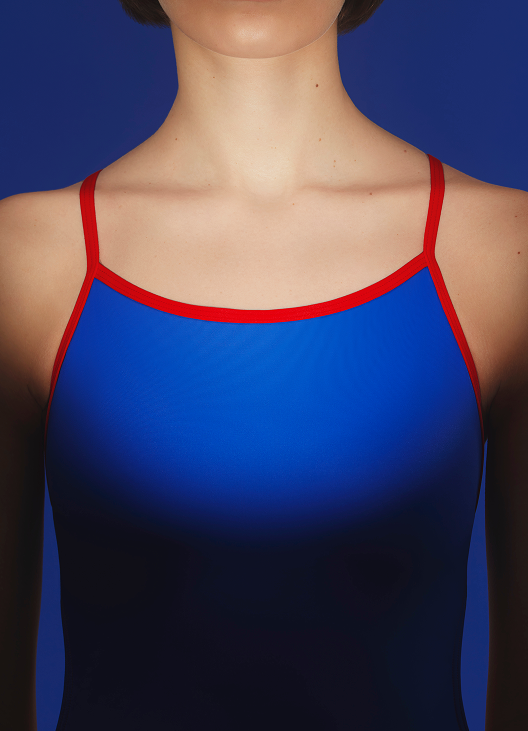
Swimwear, lingerie, sportswear and apparel all require different properties. Fibre composition, knit construction, weight, stretch, stretch recovery and dimensional stability are some of the parameters to consider when making a selection.
A proper assessment must therefore begin with the intended use and the requirements the fabric will need to meet during wear and care, and over time.
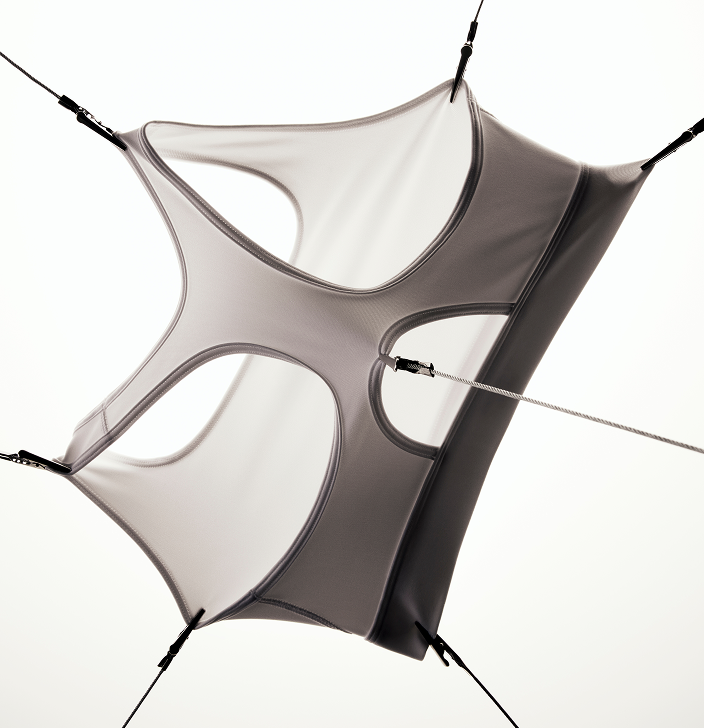
STRETCH AND DIMENSIONAL STABILITY: TWO PROPERTIES TO CONSIDER
Among the parameters that determine how a fabric performs, stretch and dimensional stability play an important role, particularly in applications where fit, comfort and shape retention are essential.
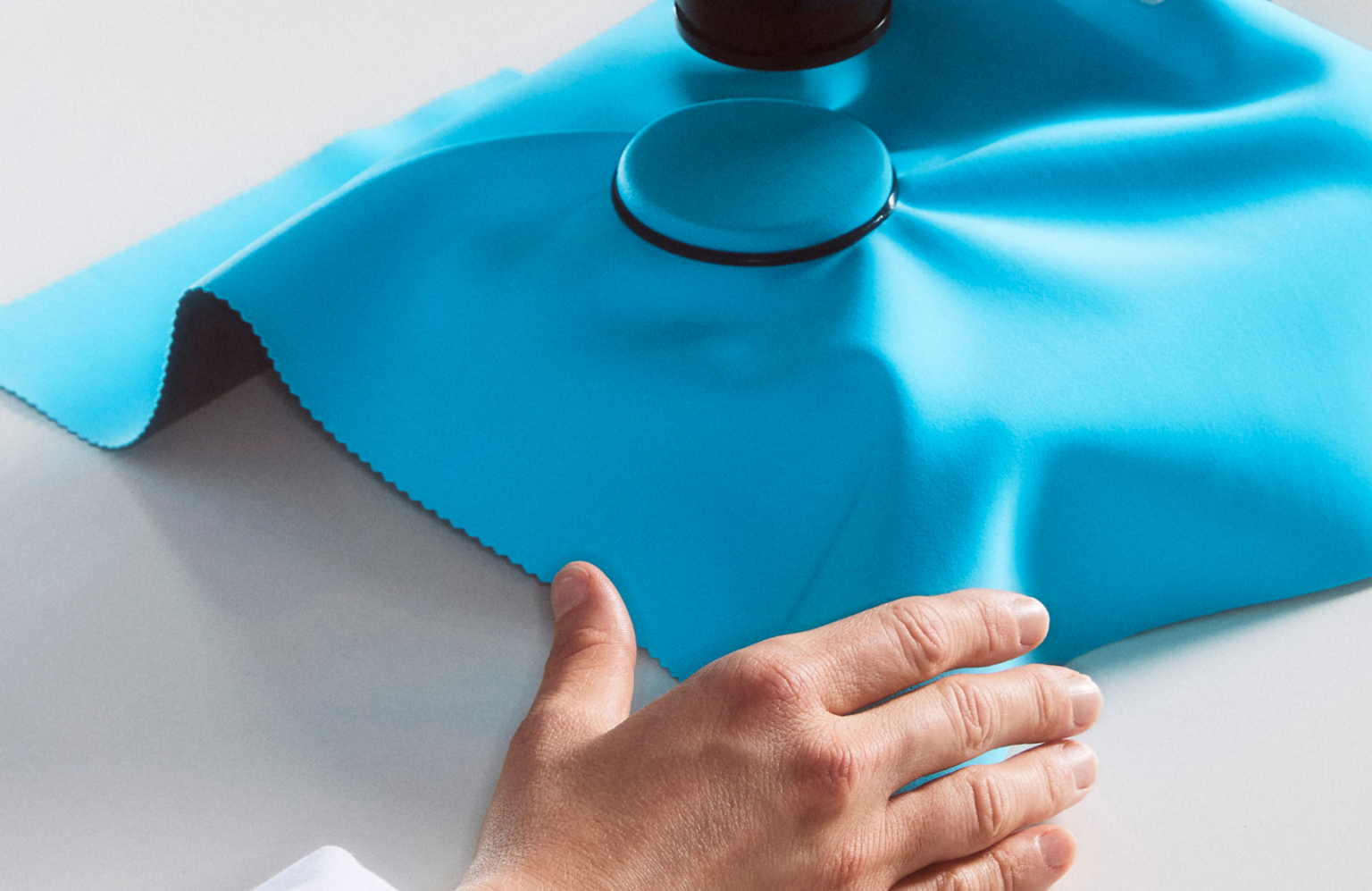
Stretch refers to a fabric’s ability to deform when force is applied and return to its original shape once the tension is removed. It is directly related to the quality of the raw materials used and the type of fabric construction.
Dimensional stability, on the other hand, refers to a fabric’s ability to retain its dimensions and shape after stresses and treatments such as washing, drying or exposure to heat. It is particularly important when assessing how well a garment retains its fit and shape over time.
Stretch and dimensional stability are therefore distinct properties, but both are closely linked to fabric performance throughout the garment’s life cycle.
FROM MATERIAL ASSESSMENT TO LABORATORY DATA
Understanding how to recognize a quality fabric requires technical specifications, fabric testing and performance documentation, as well as working with honest manufacturers that make this information available and guarantee its accuracy.
Jersey Lomellina validates this information through specific tests and laboratory analyses, allowing designers and buyers to make informed B2B fabric selections based on verifiable data. Depending on their composition, the fabrics in the collection are certified to OEKO-TEX® STANDARD 100, GRS and OEKO-TEX® RECYCLED standards, which certify specific requirements relating to materials and production processes.
IN SUMMARY: WHAT TO ASSESS BEFORE CHOOSING A FABRIC
Before selecting a fabric for a new collection, it is useful to consider:
The relevance of each parameter varies according to the application and the style, comfort and performance of garments.
To get started, browse our catalogue, explore the Jersey Lomellina collection and filter fabrics by application, composition, weight and characteristics, or contact our sales team for help in selecting the ideal fabric for your next collection.