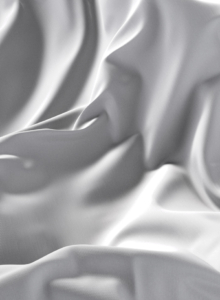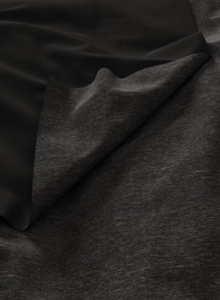


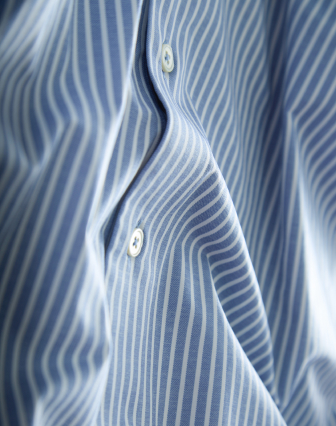
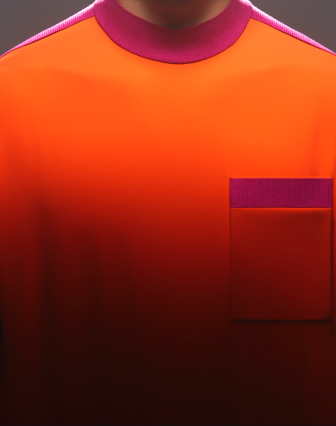


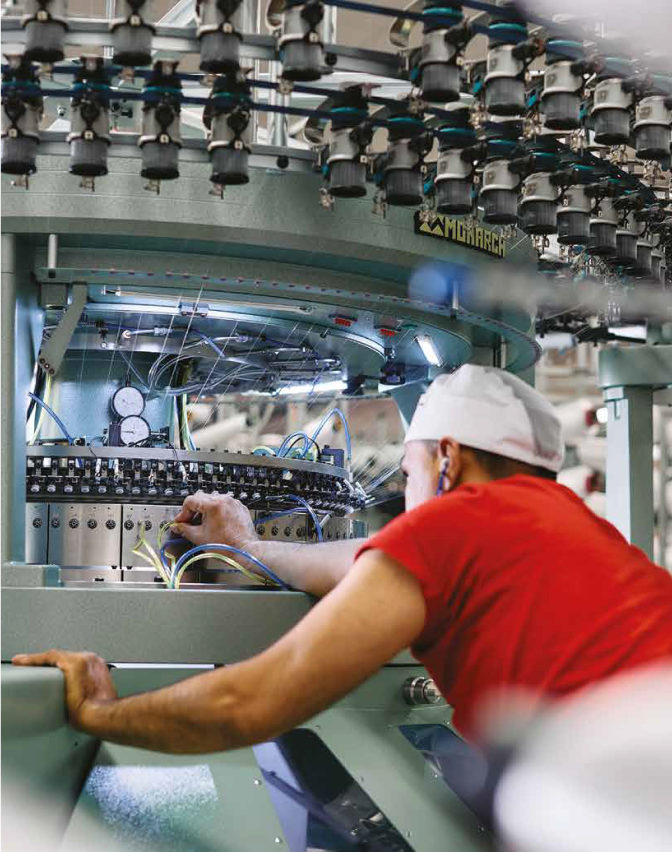






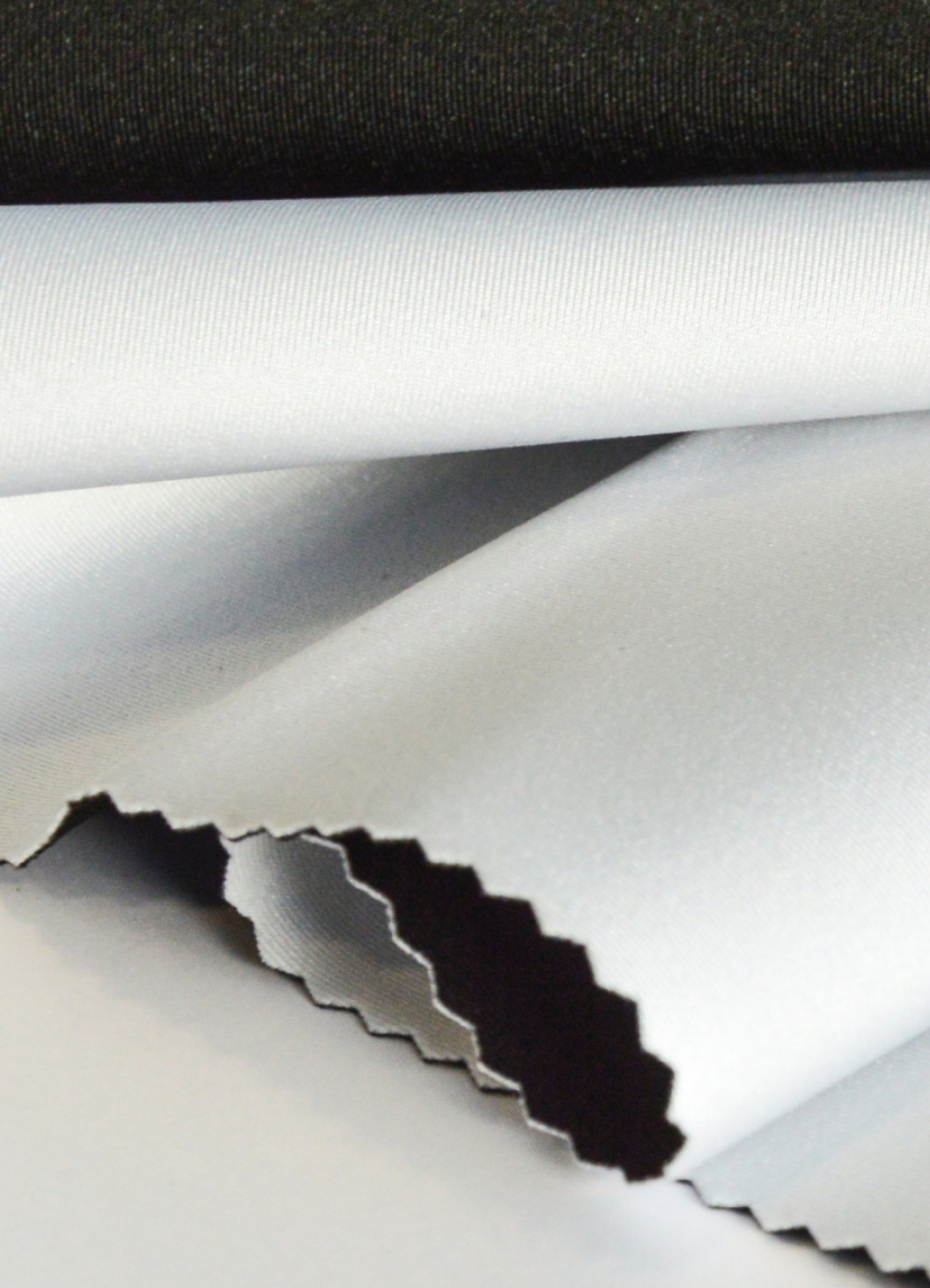
Double-face textile architecture represents a direct evolution of the double-knit construction, making it possible to create two deliberately different fabric sides in terms of both appearance and function. This feature allows designers to develop tone-on-tone or contrasting colour effects, engineer softer or more compact textures depending on end use, and assign specific roles to each side of the fabric—such as one surface optimised for direct contact with the skin and the other designed to be showcased on the outside.
These design elements form a textile base with high creative value, ideal for layering effects and construction details that enhance volumes and panelling. At the same time, these technical fabrics retain the controlled elasticity, comfort and stability typical of interlock constructions—advantages that make them particularly suitable for the development of modern, high-performance collections.