






Culture and Codes12.12.25
When the Present falls for the imperfect
AFTER YEARS OF PERFECTIONISM, TODAY’S CULTURAL GRAMMAR PURPOSEFULLY BREAKS EVERY RULE.
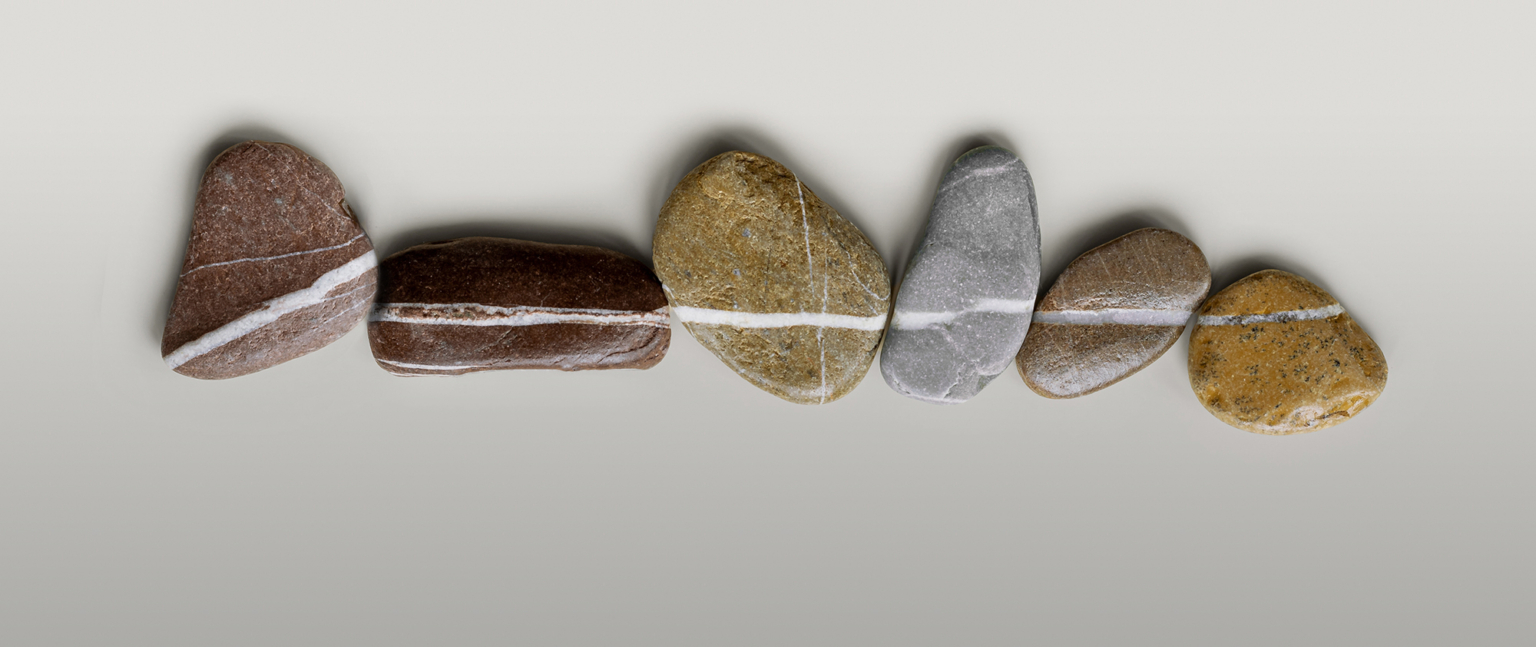



AFTER YEARS OF PERFECTIONISM, TODAY’S CULTURAL GRAMMAR PURPOSEFULLY BREAKS EVERY RULE.
Perfection / what / a /bore! If we could sum up the culture of the moment in a few words, they would probably sound like this. From the homeless chic style that redefines the concept of casual look to the growing interest in #dayinthelife social media contents as a remedy for FOMO of glossy lives, the obsession with Korean skincare remains perhaps the last bastion of an aesthetics that contemporary society no longer wants to pursue. From fashion to architecture, from design to beauty, the verdict is unanimous: perfection no longer sweeps us off our feet.
What does the post-pandemic collapse in the number of American employees, soon turned into a global phenomenon, have to do with the collective urge to go out on Saturday night dressed like Adam Sandler at the last Academy Awards Ceremony? A legitimate question. Admitting my provocative intent, I will answer that it has as much to do with it as the collapse of one myth always does with the unmasking of all the others.
There’s a fil-rouge tying together the now-solid belief that the real achievement is becoming CEO of your own time and the latest Fashion seasons featuring first normcore and gorpcore, then the highly contested clochard style.
The same fil-rouge that also connects the idea that someone’s life, in all its facets, can no longer be built around standards and goals— so often unattainable—set by others.

A line has been drawn to erase hyper-performance from every industry and set us all free. A line that is deliberately, unapologetically imprecise.
On her blog The Aesthetic Protocol, Marjorie Hernandez coined a term that is ironically perfect for describing the cultural code of this era: precision fatigue.
In a world increasingly shaped by algorithms—where every structure bends toward symmetry, every sentence toward grammatical clarity, every image toward immaculate resolution—the human spirit starts craving imperfection, not as nostalgia but as a new form of human luxury, writes the architect who works at the intersection of culture, design, and Web3.
It’s the Japanese concept of wabi-sabi: the beauty of what’s cracked, incomplete, transient. A philosophy that has rapidly become a genuine trend in Western interiors, art and architecture—ushering in natural materials and hues, organic or abstract forms resisting symmetry, and design pieces that proudly display the passage of time.
Our age feeds on imperfect wonder. So how do we explain the unstoppable rise of Korean beauty worldwide, with the global market expected to hit $31.8 billion by 2033? An 8.97% growth rate from 2025 to 2033 isn’t exactly wabi-sabi, you might argue. As always, the answer lies beneath the surface of a star-shaped pimple patch. Looking deeply, what the ten steps of K-skincare truly promise is a preventive approach that spares you from slathering on layers of makeup to mask the skin’s true texture. Your snooze button will thank you. No contradiction, then. Only that “Perfect Imperfection” that Jersey Lomellina identified two years ahead of time as the narrative thread of its Stylebook 2026, exploring shades of colour, influences from nature, and echoes of the past in search of the beauty hidden in imperfections. The same impulse that inspired this year’s photography, confirmed by the first trend included in Stills’ Photography In Design Trend Report: “real, raw, unfiltered moments”.

“Never underestimate your audience’s eye for authenticity: they can always tell when something feels staged or disingenuous.”
Ironically, or perhaps in perfect alignment with the moment, just as Artificial Intelligence keeps serving us unreal models of beauty, society is rediscovering an almost primal, insatiable appetite for authenticity. This renewed attraction to what’s “real” isn’t random; it mirrors a well-documented psychological phenomenon: the Pratfall Effect, which shows we’re more drawn to people, products, and brands that display harmless flaws.
Isn’t the neighbor with ever-blooming geraniums instantly more likeable when she makes a small mistake, such as putting too much sugar in her cake? Some brands are aware of this and are already exploiting the mechanisms of our mind to their advantage. The others? Time to take notes and embrace their humanity to align with ours, gaining a nice boost in brand loyalty while they’re at it.
Everything new, nothing new. If in the previous episode of this virtual dressing room we talked about surviving the relentless dematerialization of reality triggered by new technologies, it’s no surprise to realize we’re all engaged in a stubborn act of resistance. And that you too, more or less consciously, are co-authoring with me a new cultural grammar. Breaking every rule on purpose, conjugating the present tense in the imperfect.
Sources:
www.instagram.com/p/DQl8YOSDAHA/
theaestheticprotocol.substack.com/p/the-precision-fatigue-on-the-beauty
www.staedtler.com/it/it/scopri/wabi-sabi
www.imarcgroup.com/k-beauty-products-market
campaigns.stills.com/trend-report
https://www.moo.com/blog/branding/imperfect-design