









How UV protection in fabrics works

A GUIDE TO UPF AND PROTECTION FROM ULTRAVIOLET RADIATION

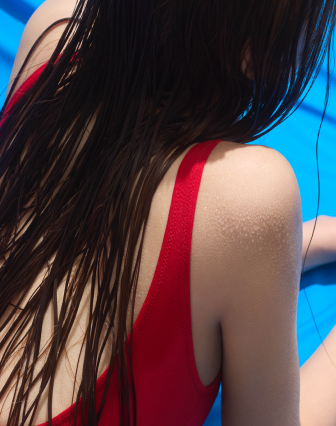
Protection from ultraviolet radiation is an important technical requirement when developing swimwear and sportswear fabrics, as well as outdoor apparel fabrics. For brands and designers, understanding UV protection in fabrics makes it possible to assess materials according to their intended application and the performance required of the garment.

image

WHAT THE UPF RATING INDICATES

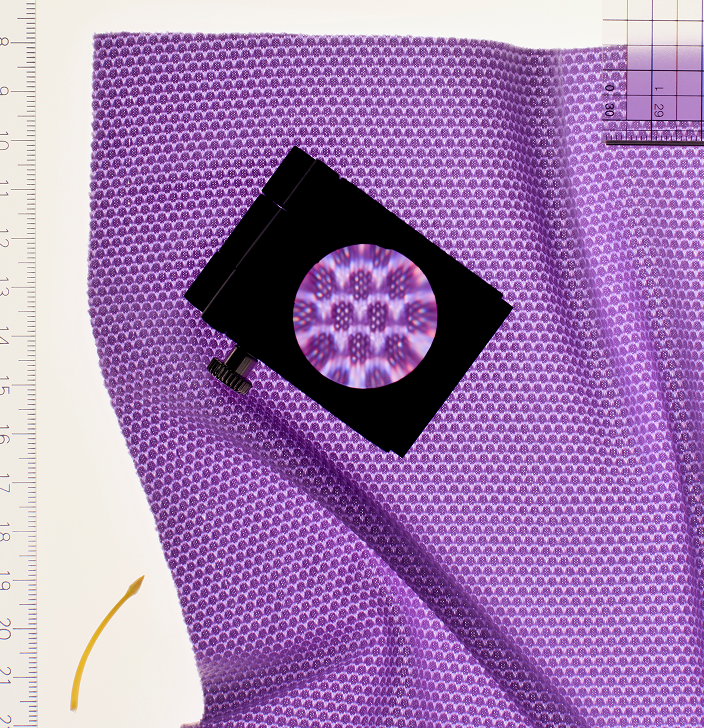
UPF (Ultraviolet Protection Factor) is the rating used to measure a fabric’s ability to limit the transmission of ultraviolet radiation through the material. The higher the UPF rating, the lower the amount of UV radiation transmitted. A fabric with UPF 50+ falls within the highest protection category commonly used for UV-resistant fabrics.

Choosing a fabric with UPF 50+ certification therefore means ensuring lower UV penetration, helping to prevent fibres from becoming more fragile and losing their stretch and compactness. The UPF rating also protects colours from the same molecular changes that affect the fibres, helping to preserve the fabric’s colour intensity over time.
image

WHAT DETERMINES A FABRIC’S UV PROTECTION

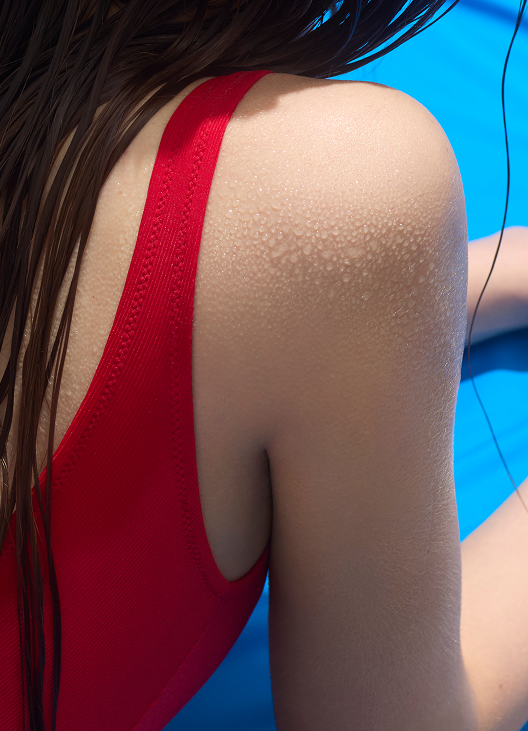
A fabric’s behaviour when exposed to UV radiation can be influenced by several factors, including its composition, structure, density and colour. Conditions of use can also play a role: tension, wear and whether the fabric is dry or wet can affect the level of protection it provides.

These factors have different effects depending on the fabric’s construction and the type of fibres used. For this reason, UV protection must be verified for each individual fabric through specific testing.

image

HOW TO ASSESS FABRICS WITH UV PROTECTION

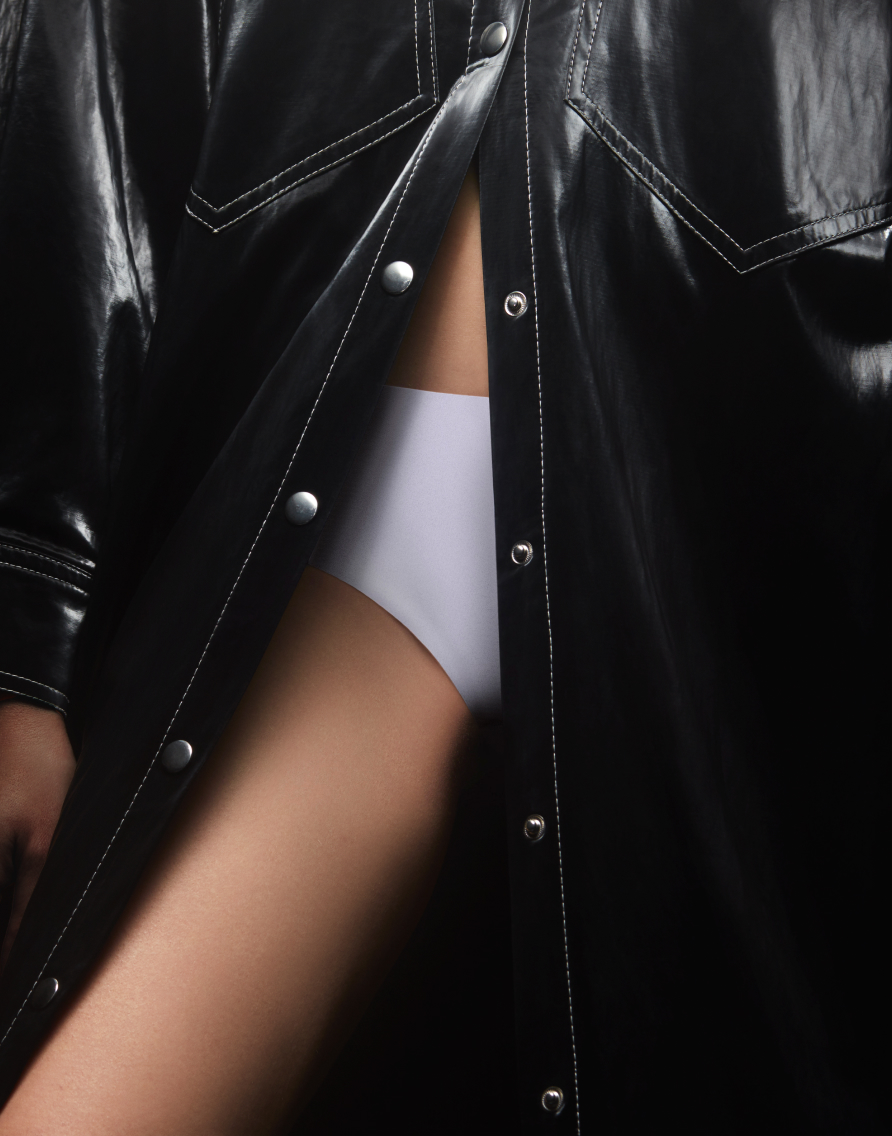
When protection from ultraviolet radiation is a requirement of the collection, material selection should be based on documented technical characteristics and test results. Depending on the intended use, it is also useful to assess other material properties, such as stretch, colour fastness and resistance to chlorine, salt water and sunscreens.

Although these parameters are not directly related to the UPF rating, they help assess the fabric’s overall performance against the requirements of the specific application. To ensure that performance claims are accurate and maintained over time, Jersey Lomellina verifies them through stringent testing in its in-house Quality Control department, taking into account conditions of use and care instructions.

image

UV PROTECTION IN FABRICS: WHAT TO LOOK FOR IN A NUTSHELL

Before selecting a fabric for a swimwear, sportswear or outdoor collection, it is useful to check:

  • UPF 50+ certification
  • Technical documentation
  • Fabric composition and structure
  • Colour fastness
  • Resistance to chlorine and salt water, where relevant
  • Stretch and stretch recovery
  • Intended use
  • Care instructions

The priority given to each parameter depends on the intended application and the garment’s technical and aesthetic requirements.

To get started, explore the Jersey Lomellina catalogue and filter fabrics with a UPF 50+ rating. For more information on individual fabrics, our sales team is on hand to provide technical information and help you assess the solutions best suited to your collection.